Zombie themes have remained popular in digital games for years, especially in fast-paced and replayable formats. From arcade-style experiences to modern digital slot games, zombies continue to appear in titles that rely on speed, chaos, and instant feedback.
This popularity is not accidental. Zombie themes align naturally with how fast-paced games are designed and how players interact with them.
Chaos Feels Natural in Zombie Worlds
Fast-paced games thrive on unpredictability. Sudden changes, rapid outcomes, and moments of surprise keep players engaged. Zombie-themed worlds are built on chaos by design—outbreaks, swarms, and collapsing environments are expected elements of the narrative.
Because players already associate zombies with disorder and urgency, unpredictable mechanics feel natural rather than frustrating. Random events, sudden shifts, and explosive visuals blend seamlessly into the theme.
This makes zombie settings especially effective for games that emphasize speed over long-term strategy.
Visual Intensity Supports Fast Feedback
Zombie games often use exaggerated visuals: bright colors, dramatic animations, and over-the-top character designs. These visual choices are not just stylistic—they support fast feedback loops.
In quick-play games, players need immediate visual confirmation of what is happening. Zombie-themed designs amplify this feedback through movement, contrast, and animation. Whether it’s a laboratory outbreak, a carnival gone wrong, or a chaotic classroom, the environment reinforces constant motion.
This visual intensity helps players stay immersed even during short play sessions.
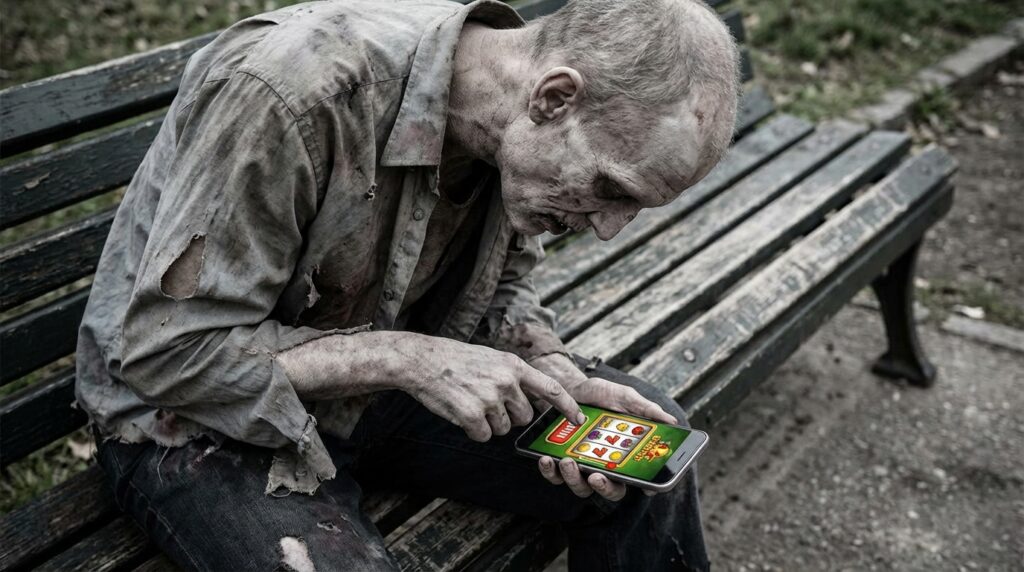
Replayability Over Narrative Depth
Fast-paced games are rarely about deep storytelling. Instead, they focus on repetition, rhythm, and variation. Zombie themes work well because they do not require complex explanations. Players instantly understand the setting and expectations.
This allows developers to prioritize:
- Speed
- Variation
- Mechanical experimentation
Games like Zombie School Megaways, Zombie Outbreak, and Zombie Carnival demonstrate how a familiar theme can support repeated play without feeling stale.
Zombies and the Psychology of Low Commitment Play
Zombie-themed games often feel less serious than realistic or competitive titles. This lowers the psychological barrier to entry. Players do not feel pressure to “master” the game; instead, they engage casually, focusing on moment-to-moment experience.
This mindset fits perfectly with fast-paced formats where outcomes are quick and sessions are short. The theme signals entertainment rather than performance.
From Arcade Games to Digital Slots
The connection between zombie themes and fast-paced play extends beyond traditional video games. Many modern digital slot games adopt arcade-style mechanics—quick rounds, bold visuals, and immediate outcomes.
Zombie-themed slots use the same principles seen in arcade games:
- Rapid feedback
- Visual exaggeration
- High replay potential
For players interested in understanding how zombie-themed slot games are structured across different providers and platforms, informational sites like SlotKaki help organize and categorize these games without focusing on outcomes, allowing users to explore formats and mechanics more clearly.
Theme as a Design Tool
Ultimately, zombie themes succeed in fast-paced games because they act as a design shortcut. They justify chaos, amplify visuals, and support repetition—all key ingredients for games built around speed and replayability.
As digital entertainment continues to evolve, themes that naturally support fast feedback and low-commitment play will remain effective. Zombies, with their built-in sense of urgency and disorder, are likely to stay a favorite for years to come.